
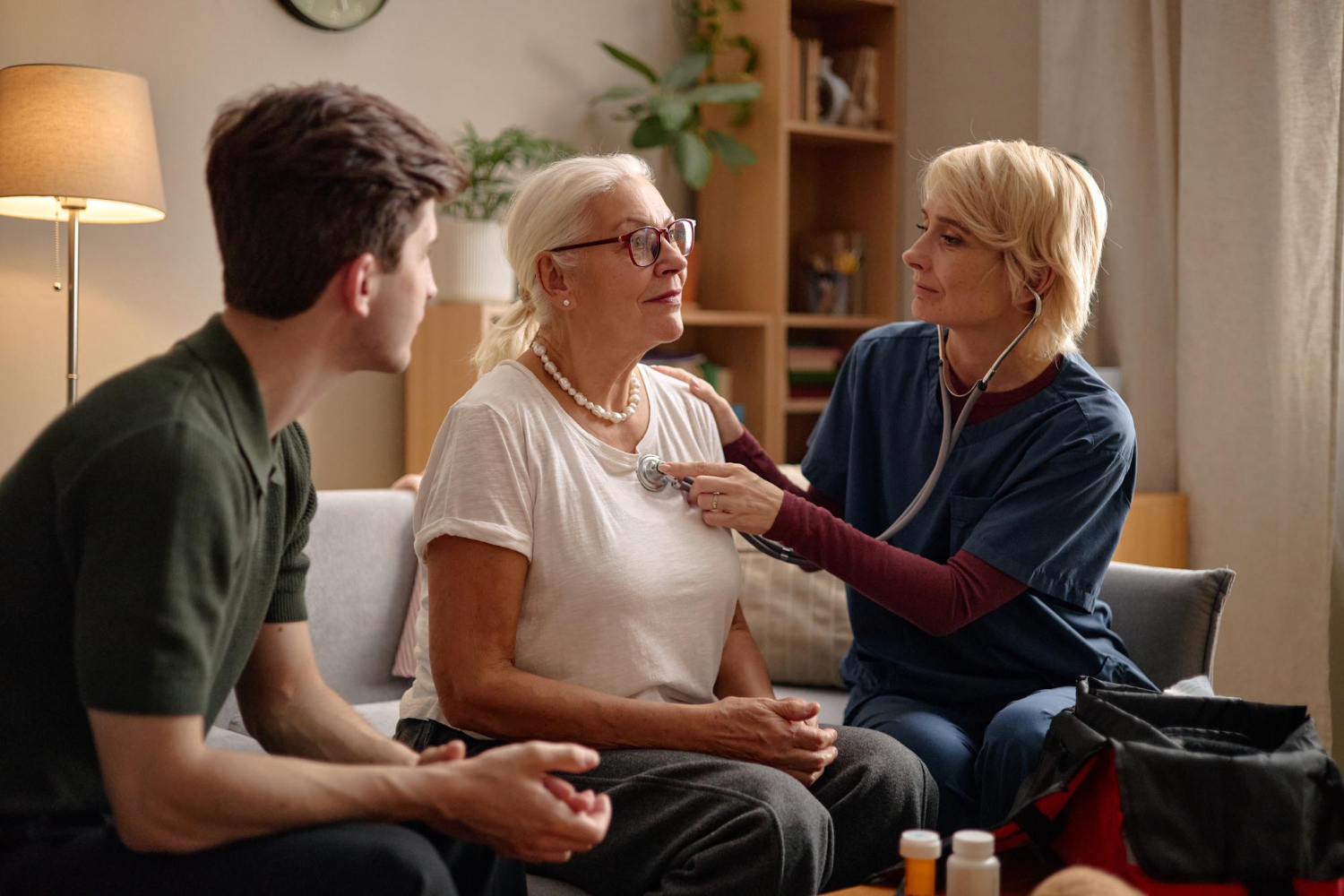
Grief does not follow a schedule, and it rarely resolves as neatly as people expect. After a loved one passes away under hospice care, families are often left navigating a mix of emotions: sadness, relief, guilt, exhaustion, even moments of unexpected peace. Understanding what grief actually looks like, and knowing that support does not end when hospice care does, can make an incredibly difficult season feel a little less isolating.
Grief Does Not End When Hospice Care Does
One of the most important things families should know is that hospice support continues well beyond a loved one’s death. Bereavement services are a required part of hospice care, and most programs continue offering support to families for at least thirteen months after a loss. This includes phone check-ins, grief counseling, support groups, and educational resources, all designed to help families process loss at their own pace, without a deadline attached.
This extended support exists because grief does not follow a straight line. The first few weeks after a death often bring numbness or a strange sense of relief, especially if a loved one suffered for a long time. It is common for the heaviest waves of grief to arrive months later, after the funeral, after the casseroles stop arriving, after everyone else has returned to their normal routines and the house feels quiet in a way it never has before.
There Is No “Normal” Way to Grieve
Grief looks different for everyone, and comparing your experience to someone else’s, even another family member grieving the same loss, rarely helps. Some people cry openly and often. Others feel strangely calm, then are caught off guard weeks later by a wave of sadness triggered by something small, like a favorite song or a certain smell.
A few things are worth knowing about grief, even though they can feel counterintuitive in the moment:
- Grief is not linear. You do not move steadily from sadness to acceptance. It is normal to feel better for a while, then experience a setback that feels just as intense as the earliest days of loss.
- Guilt is common, even when nothing was done wrong. Many people feel guilty for moments of relief, for things left unsaid, or for decisions made during a loved one’s care. This guilt is a normal part of grief, not evidence of failure.
- Anniversaries and milestones can reawaken grief. Birthdays, holidays, and the anniversary of a death often bring renewed sadness, even years later. This is not a step backward. It is simply how grief tends to move.
- Physical symptoms are real. Grief can show up as fatigue, appetite changes, trouble sleeping, or difficulty concentrating. These physical effects are a normal response to loss, not a separate problem to solve.
Signs That Extra Support Might Help
While grief is a natural process, some signs suggest that additional support, beyond what friends and family can offer, might be helpful:
- Persistent difficulty completing daily tasks months after the loss
- Ongoing feelings of hopelessness or being “stuck”
- Withdrawing completely from friends, family, or activities once enjoyed
- Using alcohol or other substances to cope
- Thoughts of not wanting to continue living
If any of these feel familiar, reaching out to a grief counselor, therapist, or bereavement coordinator through your hospice provider can make a meaningful difference. Asking for help during grief is not a sign of weakness. It is often one of the most important steps toward healing.
How Hospice Bereavement Support Works
Most hospice providers offer several forms of ongoing support for grieving families:
- Grief counseling. One-on-one sessions with a trained counselor or social worker, focused on processing loss at an individual pace.
- Support groups. Group settings where people who have experienced similar losses can share their experiences, often providing a sense of connection that is hard to find elsewhere.
- Educational materials. Resources explaining what to expect during grief, tailored to specific situations like losing a spouse, a parent, or a child.
- Phone check-ins. Regular calls from hospice staff during the months following a death, offering a simple, consistent point of contact.
- Memorial services. Many hospice organizations host annual memorial events, giving families a chance to remember their loved ones together with others who understand the weight of that loss.
These services are typically included as part of hospice care, at no additional cost to the family, and are available regardless of how long a patient was under hospice care before passing.
Supporting a Grieving Friend or Family Member
If someone close to you has lost a loved one, it is natural to feel unsure of what to say or do. A few simple approaches tend to help more than elaborate gestures:
- Show up consistently, not just immediately. The first week after a loss often brings a flood of support. The weeks and months that follow, when the house grows quiet, are often when people need company the most.
- Avoid minimizing phrases. Comments like “they’re in a better place” or “at least they’re not suffering anymore,” while well-intentioned, can feel dismissive. Simple, honest presence often means more than any specific words.
- Ask specific questions. Instead of “let me know if you need anything,” try “can I bring dinner Thursday?” or “would you like company this weekend?” Specific offers are easier to accept than open-ended ones.
- Remember important dates. A phone call or message on a birthday, anniversary, or holiday shows that you have not forgotten, even as time passes.
Finding Your Own Path Through Grief
There is no correct timeline for grief, and no single approach that works for everyone. Some people find comfort in rituals: visiting a gravesite, keeping a journal, continuing a tradition their loved one cherished. Others find healing through connection, whether that is a support group, therapy, or simply spending time with people who understood their loved one well.
What matters most is knowing that support exists, and that reaching for it is always an option, not just in the days immediately following a loss, but for as long as grief continues to unfold. Hospice bereavement teams exist precisely because they understand this: that caring for a family does not end when a patient passes away. It simply changes shape, continuing to offer comfort, understanding, and steady support through whatever comes next.